
Contributions to the School & Community
Growing a School/Community Garden
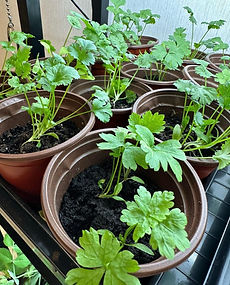
During my teaching placement at Central Public School, my associate teacher and I cultivated vegetables and herbs in our classroom. This hands-on project helped our grade 5 students understand more about horticulture and also fostered a strong sense of community engagement.
Through care and dedication, we nurtured a wide range of produce, including herbs and vegetables, within our three-tier hydroponic grown system. Many of the crops will be transplanted into the school's garden in May, making them accessible for the enjoyment of both the school community and surrounding neighborhood.
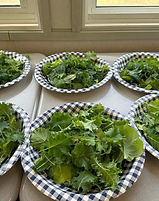
One of the most rewarding aspects of this endeavor was involving my Grade 5 class in harvesting some of the early crops. Together, we shared the bounty with fellow staff members and students throughout the school. This act of sharing not only promoted healthy eating habits but also instilled a communal spirit among all involved.
This project served as a reminder of the immense value of giving back to our school and wider community. Beyond the tangible benefits of fresh produce, it provided a platform for discussing the importance of nutrition and wellness. Moving forward, I am eager to replicate and expand upon these impactful initiatives in my future classrooms.




Organizing Spirit Week Events and Videos
During my teaching practicum at Central Public School I produced videos that were featured in the morning announcements as part of Spirit Week festivities leading up to the winter break. The links to videos were shared with the announcement team and each day a new video was played that featured students and teachers participating in various winter-themed activities, such as creating paper chains, blindfolded snowball (i.e., cotton ball) scooping, gift wrapping, dressing in snow gear, and marshmallow stacking. In addition to the videos, I developed supplementary materials to facilitate the event, including a poster, sign-up sheet, and recording schedule. To kick off the event, I designed and distributed posters throughout the school hallways and staffroom to generate excitement. Staff members were invited to sign up for activities based on interest via an emailed sign-up sheet. Once all activities were filled, I consulted with teachers who recommended students they thought would benefit from participation. Once staff and students were decided, I organized a recording schedule that accommodated staff and student availability (i.e., time and location of activity). Each day, I gathered materials and met students and teachers at designated locations. Videos and photos were captured by grade 6 students using an iPad and I used Biteable to edit the footage into individual videos, each highlighting a specific activity. I took the initiative to spearhead this project with the aim of fostering a sense of community and school spirit.
Through my experience working on this project, I’ve learned the importance of creating collaborative, safe, and supportive learning communities that transcend the walls of the classroom. Extracurricular activities are fun for students as they allow students to collaborate with staff and students throughout the school. By engaging in collaborative activities, students build meaningful relationships, cultivating a strong sense of belonging within their school community.
During the various winter-themed activities, my aim was to involve as many members of the school community as possible. Students helped by filming and setting up for the events, while both staff and students participated in the festivities. Throughout the week of filming, more and more students started hearing about the events, and for the last couple of days of filming many students came out to watch the events live as cheering squads. To maintain an environment where everyone felt safe and supported, I refrained from pressuring anyone to participate; involvement was completely voluntary. Furthermore, I framed the events as lighthearted fun competitions between students and teachers, emphasizing the importance of giving one’s best effort over competing for a victory. Recognizing that in some of the events teachers were essentially “winning” the events, I consciously chose to shift the attention from individual victories to highlight the collective achievements of all participants; fostering a collaborative approach.
Moving forward, I will continue to take a leadership role in organizing future extracurricular activities. Although organizing events like this one can be a large time commitment beyond the regular duties of the classroom, I recognize the importance of these types of events and the many benefits for students. In the future, I hope to organize events with a greater degree of student ownership (i.e., more student-driven events). For instance, I would like to create an event committee composed of students who will take charge of planning, organizing, and leading events under my guidance. This approach will not only empower students to share their voices and ideas but equip them with the skills to create collaborative, safe, and supportive learning experiences for their peers.